About Art Boards™
Product Overview
Art Storage
Archival Art Mounting
Art Boards Art Panels
Maple Cradled
Maple Uncradled
Maple Rounds
Natural Fiber
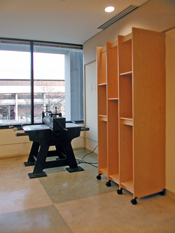
Art Storage System
Paper Mounted Panels
Wood Sanding Blocks
Find a Retailer

Art Storage Video
Art Storage Builder
News Letter
 |
Art
Boards™
Wood Engraving Supplies |
 |
 |
 |
|
|
|
Like Typesetting, wood engraving is a relief process, the lines to be printed remain in the block after the areas in between the lines are cut away. The raised uncut areas and lines of the block will hold the ink and print, the wood that is cut away will not. The print is made when the raised wood makes contact with the printing paper. |
|
|
|
The graver and the burin, tools associated with
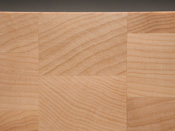
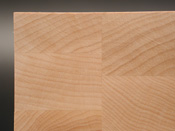
intaglio engraving, are employed, and the carving is done on the end grain,
not the face of the plank grain. The tight end grain of the engraving block allows for finer lines
and a wider range of tonal effects.
|
|
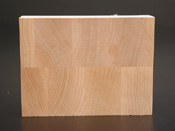
Art Boards™ end grain engraving blocks are made from carefully selected Maple Hardwood. |
|
The hard maple is jointed perfectly strait then cut and glued together using water proof glue to form the sections of the end grain printing blocks. The wood engraving block is dimensioned to .918 inches thick. The wood block is then finely sanded for wood engraving and printing. The engraving block can be printed in a letterpress or by hand. |
|
Archival Art Mounting Panels
are for mounting
printmaking prints can be made in any
size. |
|
Art Boards™
Archival Art Supply also
does custom archival art mounting of |
|
Art
Mounting of any size art work can be mounted by
Art
Boards™
Archival Art Supply. |
|
|
|
Wood Engraving Printing Blocks Printmaking Wood Engraving Blocks Buy Online. 100% Guaranteed Satisfaction or full refund on All Orders.
see the
Art Storage System
by Art Boards™
Art Boards™ Products
are all made in the USA.
Artist Panel | Canvas Stretchers Main Page | About Art Boards | Contact Us | Online Store | Find a Retail Store |